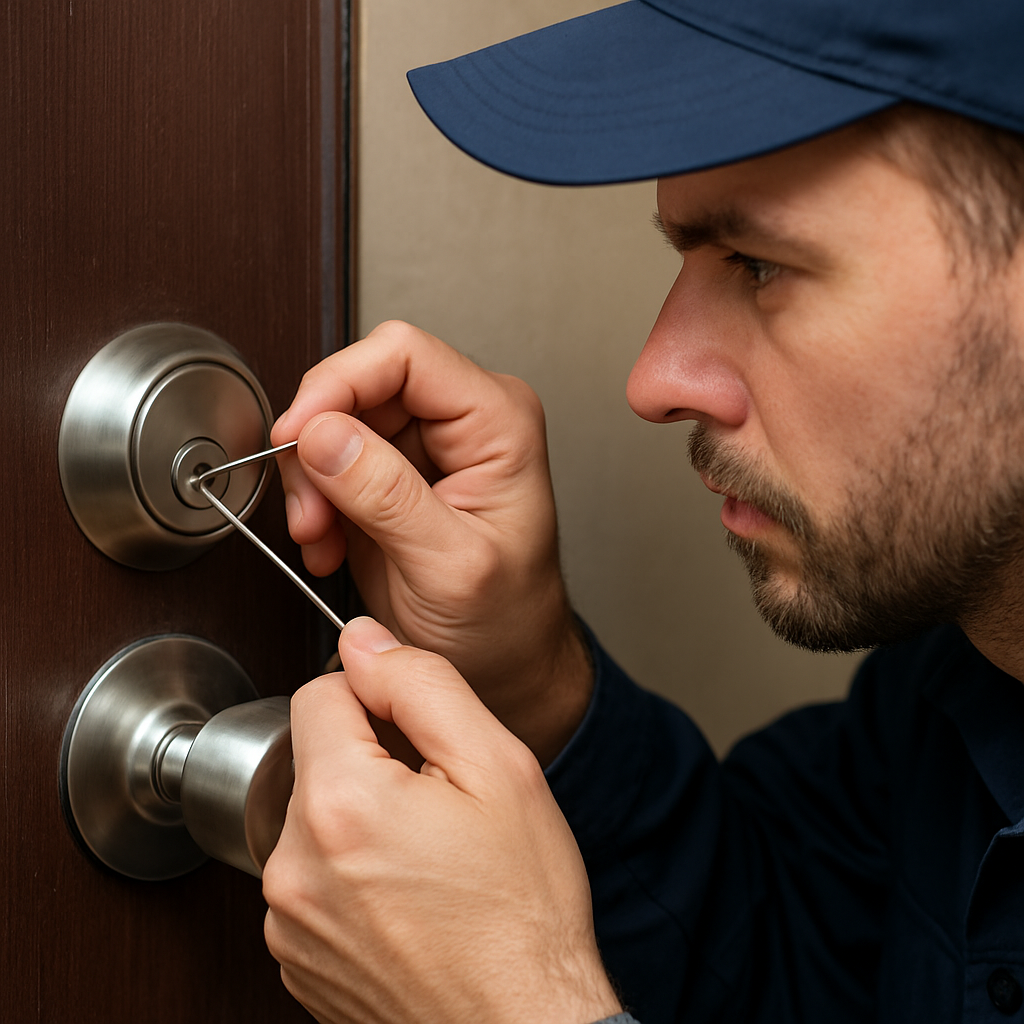
Before you call a 24 hour locksmith, a few clear expectations will save time and money. I cover typical arrival windows, how pros confirm identity, common on-the-spot services like rekey locks and key fob replacement, and ways to spot a scam. Treat this as a practical briefing that cuts through jargon so you can hire a locksmith with confidence and minimize downtime.
How arrival windows typically work for 24 hour locksmiths.
Response windows vary considerably between daytime calls and late-night emergencies. In many cities a locksmith aims to arrive within 30 minutes for an emergency lockout, while routine appointments during business hours are scheduled in two to four hour blocks. If you are in Orlando or a similar metro area, allow more time during heavy events, rain, or rush hour.
How professionals verify identity and secure your property during a commercial locksmith visit.
Most pros make identity verification a routine step to prevent unauthorized entry. For a home the tech will ask for a matching ID and for you to show a lease, deed, or a utility bill at the address if required. If the lock or ignition must be drilled, expect the locksmith to explain why and to offer a repair or replacement plan.
What you should ask before the locksmith starts work and what to expect.
Make the contractor state whether the quoted price is an estimate or a firm price. Clarify whether the technician will charge a callout fee, labor by the job or by time, and whether parts are extra. Also confirm license or certification if your state or city requires it and ask for the company name and vehicle markings.
Typical costs you might see for common locksmith services.
Prices fluctuate by region, time of day, and complexity of the job. For basic residential rekeying, small jobs in many markets start around $60 to $120 per lock, and a full-house rekey might run $150 to $400 depending on the number of cylinders. Commercial locks, high-security cylinders, or master-key systems can be considerably more expensive, and request a written quote for those jobs.
What the toolbox reveals about the approach and potential damage.
If the tech brings a drill and replacement cylinders, they may be prepared for a destructive but quicker solution. Key fob replacement demands equipment to program transponders to the vehicle's immobilizer, and that usually happens on-site if the locksmith has the right hardware. When locks are old and brittle, even non-destructive attempts can break components, so a pro will often explain the risk up front and offer to replace the cylinder instead of forcing it.
How to spot common locksmith scams and red flags to avoid.
Beware of extremely low advertised prices that balloon after the work begins. Another warning sign is a locksmith who insists on drilling immediately without attempting non-destructive methods or providing an explanation. A reputable locksmith will not pressure you and will explain any necessary destructive steps and their cost.
When you need car key replacement or key fob replacement, what to expect and how to prepare.
You should expect extra charges for programming unless the locksmith advertises it as included. If you cannot produce registration, some providers will still help but may insist on alternative verification such as contacting the dealership or insurer. Tell the locksmith the exact make, model, and year of the car and whether you have a full remote, a flip key, or a smart key, because this determines the equipment the tech must bring.
Residential and commercial lock changes, rekeying, and trade-offs to weigh.
Rekeying is often cheaper than full replacement and is a quick way to render lost keys useless. For high-traffic commercial doors, consider upgrading to commercial-grade cylinders or electronic access control for audit trails and easier credential management. Also consider smart lock retrofits if you want remote access, but be mindful of battery life, mobile dependency, and the need for secure passwords.
Payment, receipts, warranties, and follow-up behavior to expect from a professional locksmith.
If the receipt is vague, ask the technician to clarify the breakdown before you pay. If the job included key programming, ask how long the locksmith guarantees the key will function and whether reprogramming is covered for a fixed period. If an issue arises, contact the company first and then file a complaint with local licensing boards or consumer protection if you cannot reach a resolution.
A short checklist to use when calling and when the locksmith arrives.
Being prepared helps the technician bring the correct tools and parts and reduces time on site. Request the technician's name and a confirmation text or photo of their marked vehicle if you want an extra safety check. If you approve a drill or replacement, ask for a parts warranty and a receipt that documents the work and the serial numbers of any new hardware.
When to call a locksmith and when another service might be better.
Locksmiths are the right call for mechanical and electronic key issues and for securing a property after a break-in. For complex access https://locksmithunit.com/ control system failures at large commercial sites, an access control specialist or the original installer might be better equipped than a general locksmith. If you have a reputable local locksmith saved in your contacts, use that provider to avoid scams, and if you do not have a prior relationship, take a moment to confirm credentials and a firm price.
Final practical tips, small investments that cut future headaches, and how to choose a reliable provider.
Saving your locksmith's contact details saves time and gives you recourse if follow-up is needed. For cars, a wallet-sized note with the key code or a record of the VIN and key type can accelerate replacement if you lose all keys. Reputation and clear communication matter more than the lowest price when your safety and property are at stake.